
Diagnosing and replacing a faulty chainsaw clutch
Steven E / Friday March 28, 2025
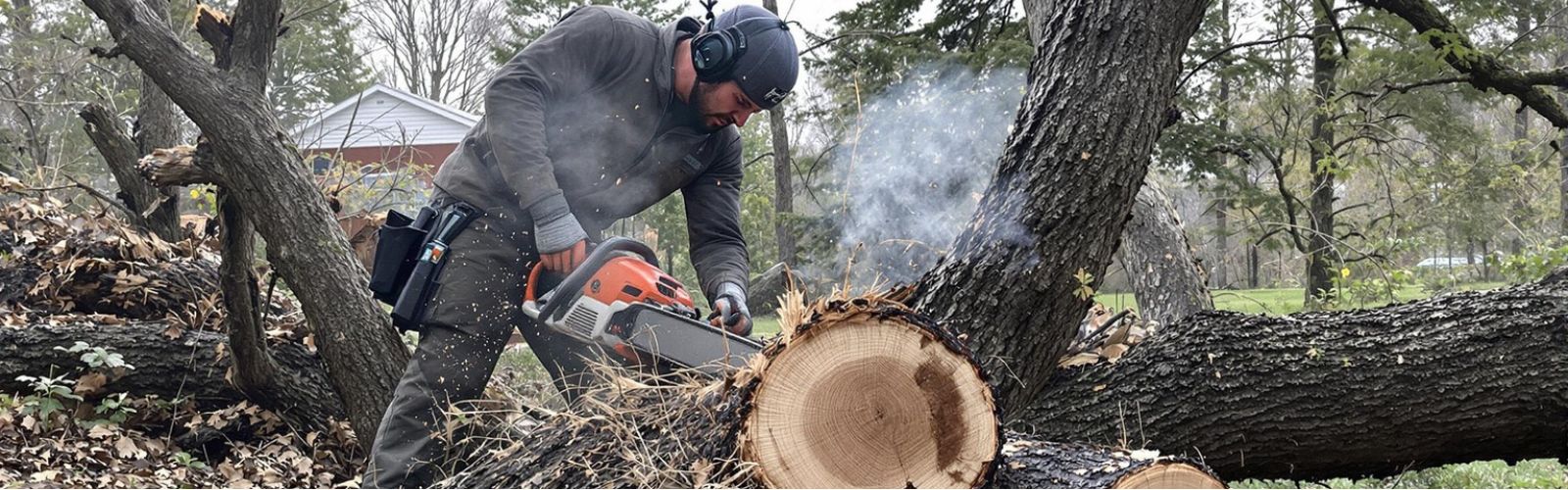
Ever revved up your chainsaw’s engine, only to find the chain barely budging or taking forever to engage? Yep, that’s often a telltale sign of a worn-out clutch. Not only can this strain the engine, but it’s also a safety hazard. Knowing what to look for, and how to swap out that faulty part, can get your chainsaw back to peak performance and keep your projects rolling.
The info here might not fit your exact chainsaw model. We aim to dish out helpful advice for all kinds of DIY repairs, but different models and setups mean steps and parts can vary. For spot-on guidance, it’d be best to check your manufacturer’s manual or hit us up with any questions.
How a chainsaw clutch works
So, what’s the deal with your chainsaw’s clutch? It’s basically a mechanical gadget that automatically hooks or unhooks the engine’s power to the chain. When your chainsaw’s idling, the clutch shoes stay pulled in, keeping the chain from spinning. But when you rev up the engine, centrifugal force kicks those shoes out against the clutch drum, making the chain move. This nifty design keeps the chain still when you’re not cutting and spins it up when you give it some gas.
Over time, though, the clutch parts can wear out from all the friction, heat, and constant use. If the shoes or drum edges get chipped or messed up, the clutch can’t grip the drum properly, and the chain starts slipping. Catching these early warning signs can make your repair job easier and safer before things get worse.

Symptoms of a faulty chainsaw clutch
When your chainsaw’s clutch starts acting up, it’ll drop some hints. If you hit the throttle and the chain hesitates or moves in fits and starts, that’s a pretty clear sign the clutch shoes are worn. You might also hear a rattling or grinding noise coming from the clutch area, hinting at possible damage to the drum or springs. And if you smell something like burnt metal, the clutch might be slipping and overheating.
You might feel unusual vibrations or notice the engine’s working too hard without the chain picking up speed. This can overwork the engine because the power transfer isn’t happening right, making the engine push harder. If you’re noticing these signs, it’s a good idea to dig deeper to make sure the chain runs smoothly and the engine isn’t under unnecessary stress.
Safety precautions before starting
- If working indoors, make sure there is adequate ventilation to prevent the buildup of exhaust fumes. Carbon monoxide poisoning can be a serious risk.
- Wear insulated work gloves to protect your hands from sharp metal parts, pinching hazards and debris.
- Never attempt to service or repair while it is running or when the engine is still warm. Wait for all moving parts to come to a complete stop.
- Exercise extreme caution when working near blades, augers, or any other moving parts. Keep your hands, fingers, and clothing clear of these areas at all times.
- If the appliance has recently been used, give it plenty of time for any hot parts to cool down before working on it.
- Empty the gas tank before beginning any work. Refill using fresh fuel.
- Clean up oil spills right away to prevent slipping or other damage.
- When working with wires, avoid touching any exposed wires or terminals. If you need to touch a wire, use a non-conductive tool or wear insulating gloves to prevent electrical shock.
- Take your time and don’t rush while working to prevent accidents and personal injuries.
- Work in a well-lit area so you can clearly see and access the interior parts.
- Clear your workspace of clutter and other obstacles. Keep children and pets away from the work area.
- Be gentle when handling or removing parts. Excessive force might damage the appliance or cause injury.
- Wear safety glasses when working with chemicals, dust or cleaning large debris to prevent injury.
- When not in use, store the machine in a safe and dry location.
Need help figuring out your model details? Check out how to find your appliance’s model number.
Diagnosing a faulty clutch
Before you rush to replace the clutch, it’s helpful to make sure it’s really the culprit. While many signs point to clutch wear, you want to be as sure as possible. Here are some ways to pin down if the clutch is the issue.
Check chain movement
When testing the chain’s movement, make sure the chain brake is off and the saw is on a sturdy surface. Pay attention to how the chain reacts as you slowly pull the throttle. If the engine revs up but the chain doesn’t follow smoothly, the clutch shoes might be slipping. Any jerky or delayed movement usually means the friction surfaces inside the clutch aren’t gripping well.
Inspect the clutch drum and bearing
Sometimes, the clutch drum or bearing gets grooves or scuffs after years of spinning. You can take off the clutch cover, chain, and bar to get a good look at these parts. If you spot dark burn marks on the drum or the bearing feels rough when you turn it by hand, it’s time to take a closer look at the whole clutch assembly. A chattering noise when you spin the drum can also mean the bearing’s worn out.
Remove the old clutch
Double-check that your chainsaw’s powered off and you’ve taken all the safety steps. Taking out the old clutch lets you inspect the parts and get ready to install the new one. Grab any tools you need, like a socket wrench or a special clutch removal tool, depending on your saw’s setup.
Here’s how to remove the clutch:
- Pop out the spark plug. Many chainsaws let you thread a piston stopper or slip a piece of clean rope into the cylinder through the spark plug hole to keep the piston from moving.
- Find the clutch assembly behind the clutch cover. It usually has a “clutch” marking or something similar. Some models have a reverse thread, so check your manual.
- Use the right socket or spanner to loosen the clutch. Turn it the correct way. If it’s reverse-threaded, you’ll turn it clockwise to loosen.
- Once it’s loose, lift the clutch off the crankshaft. Be careful, washers or small springs might fall out.
- With the clutch off, don’t forget to check out the parts underneath like the clutch drum and bearing. If they’re scratched up, warped, or damaged, it’s a good idea to replace them too.
Install a new clutch
Swapping in a new clutch is pretty much the reverse process, but you’ll want to take a few extra steps to make sure it fits right. Consider cleaning out any dust or metal shavings in the clutch area with compressed air or a clean cloth before putting in the new part.
Follow these steps to install your new chainsaw clutch:
- Slide the new clutch onto the crankshaft. Watch the orientation, looking for any notches or alignment marks that match the shaft.
- Check if your clutch uses reverse threading. Tighten it in the right direction. Don’t crank it down just yet; make sure the clutch is lined up properly.
- Put back any washers or springs that came out earlier. Make sure they’re sitting where they’re supposed to. If they’re out of place, you could run into problems right away.
- Once the clutch is threaded and in position, use your wrench or spanner to snug it up firmly, but don’t go overboard. Follow your chainsaw’s manual for recommended torque settings if they give you that info.
- Now that the new clutch is in, rotate it by hand to make sure it fits smoothly. Then reinstall the drum and bearing if you took them out earlier. As you turn the assembly, it should move freely without wobbling too much. If everything feels solid, you’re ready to put the rest of the parts back where they belong.
Reassemble your chainsaw
After replacing the clutch, you’ll want to put the chainsaw back together carefully. Missing a step here could mess with performance. Here are some pointers:
- Reattach the bar and chain. Set the chain tension by adjusting the tension screw until the chain sits snug against the bar but can still be turned by hand.
- Place the clutch cover back over the assembly. Make sure it lines up with any alignment pins or bolt holes.
- Secure the cover with the right bolts or screws, tightening them in a crisscross pattern if there are multiple fasteners.
- Remove the piston stopper or rope you used earlier, then reinstall the spark plug and reconnect the spark plug wire.
Test your repair
Giving your chainsaw a test run after putting it back together is key to making sure the new clutch works right. Here’s what to do:
- Refuel the chainsaw if you emptied it before. Double-check for any fuel or oil leaks before starting.
- Take the chainsaw to a well-ventilated outdoor spot, away from other people or anything you could bump into.
- Start the chainsaw following the manufacturer’s instructions. Listen for any weird noises and keep an eye on the clutch area.
- Gently rev the engine while watching how the chain moves. It should engage quickly and respond smoothly as you give it more throttle.
- Let go of the throttle to idle. The chain should stop moving, showing that the clutch disengages properly.
Final check
If you’ve still got questions about parts or wonder if your model needs a specific clutch assembly, check the manufacturer’s info or reach out to us. You can also visit how to find your appliance’s model number if you need to confirm your product details.
At AppliancePartsPros.com, we’re here to help you keep your appliances and tools running their best. Feel free to find the parts you need and explore our resources for more repair help to keep your gear running safely and smoothly. And hey, why not follow us on social media for more tips and updates?
Visit us on Facebook and Twitter. If you’ve got any questions, don’t hesitate to contact us by phone or email. We’re happy to help you find the right parts and offer guidance for your DIY repairs.


With nearly a decade of experience in providing top-notch customer service regarding appliance parts and repair, Steven enjoys sharing practical advice, troubleshooting tips, and interesting information to help readers stay informed.