Tag:
Cool Savings: 6 Fridge Energy Saving Tips

Did you know that your fridge is one of the most energy-consuming appliances in your home? Not only does it add to your monthly electricity bill, but it also contributes to environmental pollution. But don’t worry, we’ve got you covered. In this post, we’ll share six simple and effective tips to help you save energy and money while keeping your fridge cool. From temperature settings to smart organization, you’ll learn everything you need to know to make your fridge more efficient. So, let’s dive in and start saving!
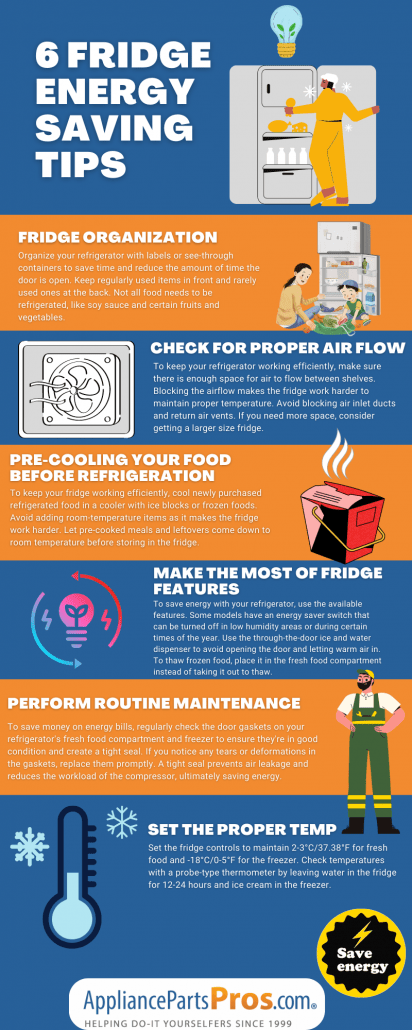
Fridge Organization
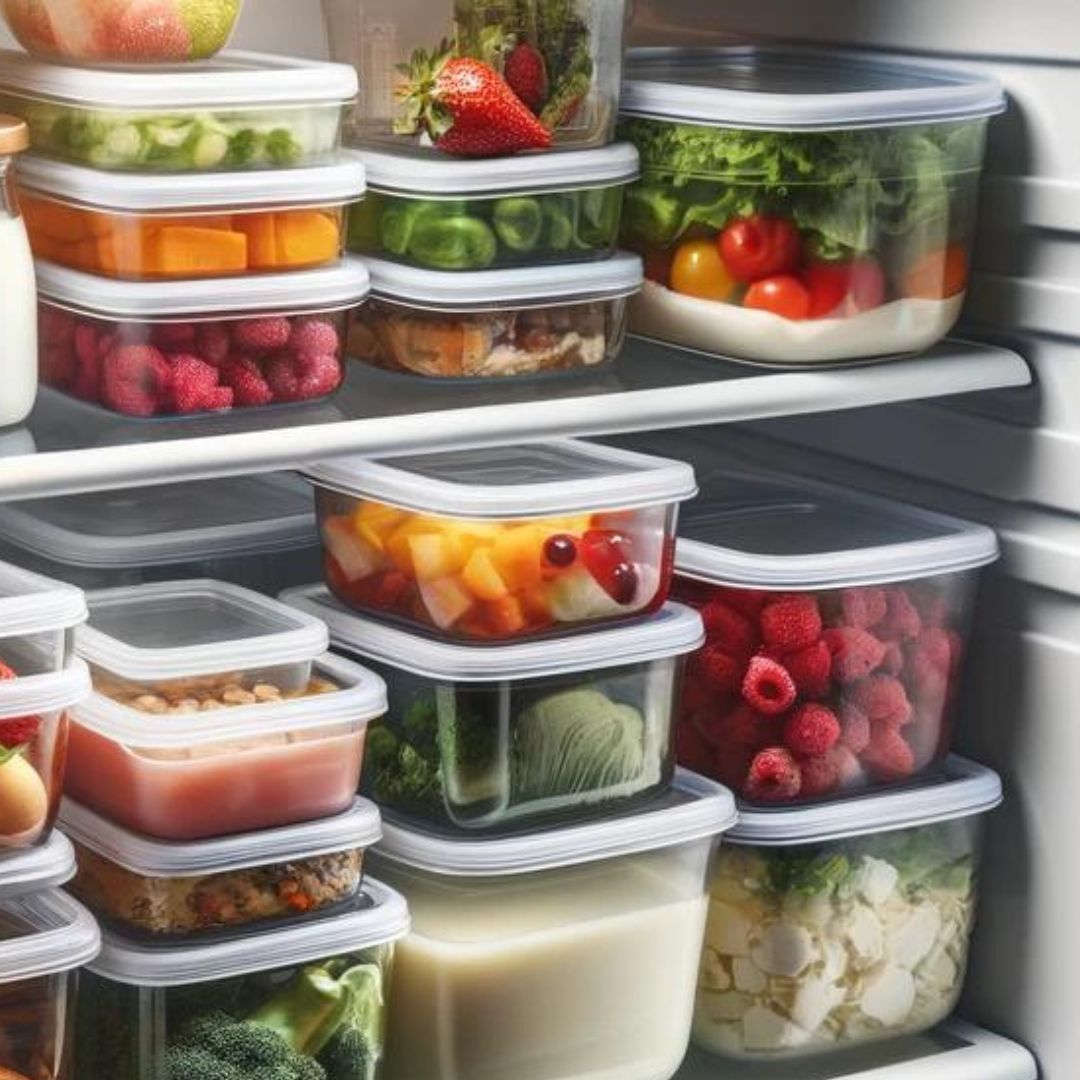
Proper fridge organization plays a crucial role in saving energy. A well-organized fridge can operate more efficiently, reducing energy consumption. Grouping items that need a consistent temperature, in one area of the fridge, can reduce the frequency and duration of the fridge door being opened. Dairy and meats are prime examples. This helps to maintain the fridge’s temperature.
Moreover, an organized fridge makes it easy to locate items. Minimizing the amount of cold air escaping from the fridge also minimizes the amount of energy consumption. Clear containers can be used to store items in the fridge. They make it easier to see what you have. Clear containers reduce the purchase of duplicate items, resulting in a reduction in food waste and cost savings. Organizing your fridge can lead to energy savings, reduced food waste, and financial savings in the long run. Check out our article to learn how to organize your refrigerator like a pro.
Check for Proper Air Flow
Proper airflow maintenance is crucial for your fridge’s efficiency and longevity. It maintains consistent temperatures throughout the fridge and ensures all items are safe.
To ensure proper airflow, regularly clean the condenser coils and fan blades. These can clog with dust and debris over time, which restricts airflow and causes increased energy usage. Check for any obstructions in the fridge vents, like food packaging or debris, that block cool airflow. Overcrowding the fridge also restricts airflow, causing it to work harder than necessary.

Inspect your fridge’s airflow regularly and promptly fix any issues for increased efficiency and a longer lifespan
Pre-Cooling Your Food Before Refrigeration
Pre-cooling your food before putting it in the fridge is a great way to save energy and improve the safety and quality of your food. Hot food can cause the fridge’s temperature to rise, leading to increased energy consumption and a higher risk of spoilage.
To pre-cool your food, you can let it cool down to room temperature or put it in a shallow container of ice water for a few minutes. This process reduces the strain on the fridge’s cooling system and helps maintain your food’s texture and flavor. Additionally, it’s a good practice to check the temperature of your fridge regularly to ensure it’s working correctly.
Make the most of Fridge Features
Take advantage of the energy-saving features your fridge offers. Many fridges come with an automatic defrost feature, which can save energy by preventing ice buildup. Regularly defrosting your fridge manually can use up to 30% more energy than an auto-defrost feature. Some fridges come with a power saver switch that you can use to turn off certain features like lights or a built-in ice maker. This feature can save energy and lower your electricity bills. By making the most of these features, you can improve your fridge’s efficiency and reduce its environmental impact.
Perform Routine Maintenance
A well-maintained fridge can reduce energy consumption and save you money on your energy bills, making routine maintenance a must. One important maintenance task is cleaning the condenser coils and fan blades. They can become clogged with dust and debris over time, which can affect air circulation and make your fridge work harder to cool.
Cleaning is another important maintenance step when it comes to saving on your electricity bill. It’s important to keep the inside of the fridge clean and organized. Overcrowding the fridge can restrict airflow and cause it to work harder than necessary. Another important maintenance task is regularly cleaning and checking the door seals. If the seals are dirty or worn out, they can allow cold air to escape, leading to increased energy usage.
It is crucial to regularly check and replace any worn or damaged parts. Things like crumbling door seals or broken fan blades can seriously impact the fridge’s performance and efficiency. By performing these routine maintenance tasks, you can improve the efficiency of your fridge and prolong its lifespan.
Set the Proper Temperature
To maintain food safety and conserve energy, it is important to keep your fridge at the right temperature. The ideal temperature for the fridge is between 35 and 38 degrees Fahrenheit, and the freezer should be set to 0 degrees Fahrenheit. Use a thermometer to monitor the temperature and adjust the settings if necessary. Setting the temperature too low can cause food to freeze, while higher temperatures can lead to spoilage and bacteria growth.
Keeping the fridge away from direct sunlight can also help maintain a cooler temperature and reduce energy costs. It is recommended to check the temperature regularly to ensure food stays fresh and to reduce energy usage.
Wrapping Up
By implementing these fridge energy saving tips, not only will you be helping the environment, but you’ll also be saving money on your energy bill. Proper fridge organization, airflow maintenance, pre-cooling food, making the most of fridge features, performing routine maintenance, and setting the proper temperature are all effective ways to save energy and reduce costs. By implementing these tips, you can not only improve the efficiency of your fridge but also extend its lifespan.
Don’t forget to check AppliancePartsPros.com for any replacement parts you may need to keep your fridge running smoothly. By making a few simple changes, you can make a significant impact on your wallet and the environment. So go ahead and start implementing these energy-saving tips today!

With nearly a decade of experience in providing top-notch customer service regarding appliance parts and repair, Steven enjoys sharing practical advice, troubleshooting tips, and interesting information to help readers stay informed.